

The Lionhearted 🦁 Empath: Beyond the Myth of the “Dark Empath”
- Le'Aura Luna

- Oct 26, 2025
- 7 min read
Updated: Oct 27, 2025

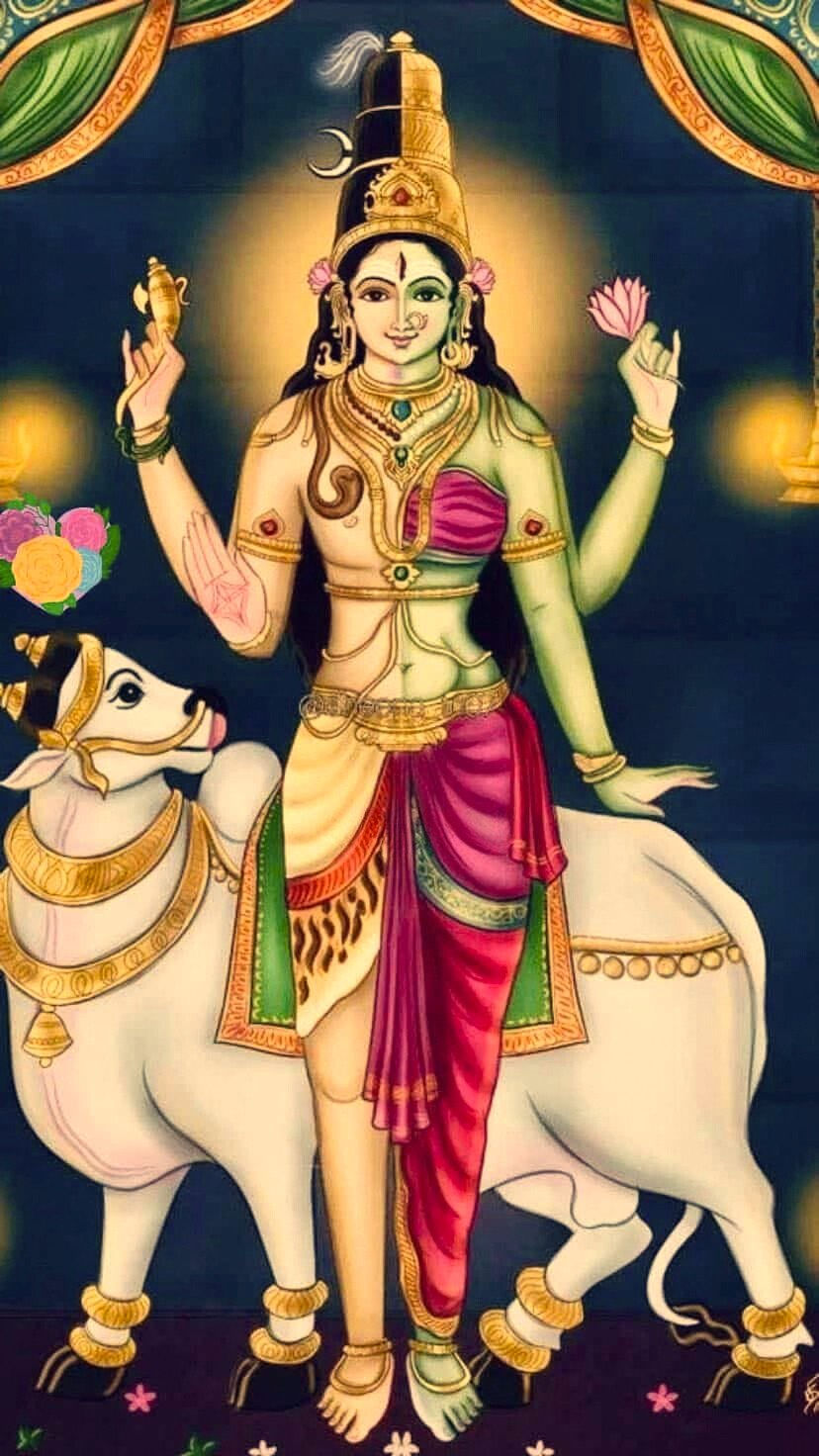
“Light and shadow dance — and from their union, compassion is reborn.”
This profound statement encapsulates the intricate relationship between light and darkness within the human experience.
It suggests that the blending of both elements can lead to a deeper understanding and a more compassionate existence.
This idea resonates especially in the context of empathy,
where the interplay between our strengths and vulnerabilities can create a rich tapestry of emotional depth.
The journey toward compassion often requires navigating through both light and shadow.
There’s a growing conversation online about empaths — and especially about something called the dark empath. But somewhere along the way, the meaning has gotten blurred.
Many people are now using “dark empath” to describe what’s actually an enlightened empath — someone who has integrated both their light and shadow, learned to hold firm boundaries, and now walks in balanced power.
But these are not the same thing. In truth, the dark empath and the enlightened empath stand on opposite ends of the empathic spectrum.
🌗 The Key Differences
The Dark Empath
Feels emotion deeply but uses it for control or influence.
Reads others to gain advantage rather than connection.
Seeks power, validation, or revenge.
Feeds the wolf of fear and ego.
The Enlightened Empath
Feels emotion deeply and uses it for healing and understanding.
Reads others to bring awareness, compassion, or truth.
Mirrors emotions as reflection — empathy becomes medicine.
Seeks peace, balance, and authentic connection.
Feeds the wolf of love and awareness.
A dark empath senses emotion to gain power. An enlightened empath senses emotion to restore balance.
A dark empath feels deeply but uses that sensitivity for control, often blending empathy with narcissistic tendencies — manipulation, projection, and emotional leverage. An enlightened empath, however, has faced their own shadow and brought it into harmony with their light. They do not manipulate energy — they master it.
A dark empath senses emotion to gain power. An enlightened empath senses emotion to restore balance.
So while social media sometimes glamorizes the “dark empath” as an antihero who can outplay the narcissist, the truth is far simpler: The enlightened empath doesn’t need to play at all.
They’ve learned that the true victory is inner peace — not dominance. That discernment is not cruelty. That boundaries are not betrayal. That shadow can serve the light without becoming it.
🌑 The True Nature of the Dark Empath
The dark empath carries genuine sensitivity, but their wounds distort it.
They use emotional awareness to anticipate, influence, and control others — a survival mechanism born of pain, not power.
Much like the narcissist, they fear vulnerability. But unlike the narcissist, they feel too much, not too little — and so they armor their heart behind manipulation instead of allowing it to remain open.
The dark empath is the empath who has not yet healed. They sense deeply but act defensively, using empathy as a weapon rather than a bridge.
Their gift, when unhealed, becomes a mirror for pain — a way to survive in a world that once devoured their light.
🌕 The True Power of the Enlightened Empath
has walked through the same fire — but instead of hardening, they softened consciously. They’ve faced their wounds, sat through their dark nights of the soul, and learned to integrate every broken piece with love.
They’ve discovered that light without shadow is naïve — and shadow without light is blind. They’ve made peace with both.
They no longer absorb energy unconsciously; they transmute it. They’ve learned that compassion without boundaries leads to depletion, and boundaries without compassion lead to division — so they embody both.
They are not fragile lightworkers — they are forged lightkeepers.They’ve merged softness with strength. They’ve learned to be kind, but not compliant; open, but not exposed.
They are the lionhearted empaths — radiant souls who’ve learned to love fiercely and stand firmly.
🕊️ The Empath’s Choice: Which Wolf Will You Feed?
Every empath carries both potentials within them — the light and the shadow, the healer and the manipulator.
Like the old Native story of the two wolves — one dark, one light — the one that grows is the one we feed.
Empathy itself is neutral. It’s not a virtue until it’s used with intention.
It’s raw power — an amplifier of energy,
magnifying whatever resides in the heart of the one who wields it.
The light wolf symbolizes the empath’s heart — compassion, intuition, and divine love.
It inspires connection, creativity, and forgiveness. Yet, if fed without discernment, it can become naïve or self-sacrificing — the empath who gives until they disappear.
The shadow wolf embodies boundaries, truth, and sacred self-protection.
It is instinctive, fierce, and honest — the guardian of the empath’s soul. Fed in balance, it keeps us safe and sovereign; fed in fear, it becomes controlling, reactive, or manipulative.
The enlightened empath does not starve one wolf or glorify the other.
They train both to walk beside them.
The light wolf loves.
The shadow wolf protects.
Together, they keep the heart open and the soul safe.
The dark empath feeds the wolf of fear — using sensitivity to control, protect ego, or seek advantage.
The enlightened empath feeds the wolf of love — using sensitivity to heal, uplift, and bring truth into form.
Both paths begin in pain. Both feel the world deeply. But at some point, a choice emerges:
Will I use this gift to serve myself, or to serve something greater than me?
The dark empath closes their heart to avoid pain — and in doing so, closes the very portal through which meaning flows. They may achieve status or influence, but their joy decays behind the mask.
The enlightened empath keeps their heart open even when it hurts — learning to guard it with discernment instead of walls. They discover that real power is not in control, but in presence.
And so, every empath walks the same bridge — the one between power and love, between manipulation and mastery.
The enlightened path isn’t the absence of shadow; it’s the choice to walk through shadow with the light as their guide.
⚔️ Why the Enlightened Empath Never Plays the Game
It’s often said that only a dark empath can “beat” a narcissist at their own game — and in many ways, that’s true.
The dark empath possesses the same emotional radar, the same psychic sensitivity, and can sense manipulation before it happens. They can read a narcissist’s moves, mirror their tactics, and sometimes even defeat them at their own design.
But victory in that realm comes at a cost — it keeps both trapped in the same frequency: survival, ego, and pain.
The enlightened empath, however, transcends the battlefield altogether.
They no longer need to win — because they’ve stopped playing.
They may offer unconditional love, a glimpse of healing, or the chance for awakening — but once truth reveals itself, they do not chase, justify, or re-enter the cycle.
They know that love cannot heal what denial protects. They know that closure is not always reconciliation — sometimes it’s release.
The enlightened empath has walked through the dark empath’s temptations and come out the other side.
They’ve faced what the dark empath fears most — the pain beneath the power — and found transformation within it.
Because they have sat with their shadow, they no longer need to project it.
Because they’ve felt their own darkness, they no longer fear another’s.
Because they’ve met their pain with compassion, they can hold space for others without being consumed.
Many enlightened empaths go on to become healers, teachers, or guides — helping others remember their own light.
They hold love and compassion for all, even those still walking in shadow, but they do so with boundaries made of gold.
If you try to exploit their kindness, their darkness will rise — not to destroy, but to defend. For the enlightened empath’s shadow no longer works against them. It stands beside them.
🦁 The Lionhearted Path
--- To walk the lionhearted path is to live in conscious balance between grace and grit.
It means leading with love, but not at the expense of self.
You don’t return harm for harm — but neither do you absorb it. You mirror what’s true, not to punish, but to awaken awareness. You understand that sometimes your shadow is the guardian of your light.
The lionhearted empath embodies fierce compassion — the kind that can roar when necessary, yet still cradle the wounded parts of the world in tenderness.
“You no longer absorb — you alchemize. You no longer fight darkness — you illuminate it. You no longer fear your shadow — you walk with it as your shield.”
This is the sacred balance of divine feminine receptivity and divine masculine protection — the marriage of intuition and sovereignty.
🌟 A Call to Conscious Empathy
It’s time to bring clarity to this conversation. Not every empath who’s learned to say “no” is a dark one. Not every lightworker who can wield their shadow has fallen from grace.
The enlightened empath is not naïve or numb — they are awake. They are the ones who can stand in the storm without losing their softness,
who can see through manipulation without becoming manipulative,
and who can face darkness without forgetting the light.
The world doesn’t need more dark empaths who can outplay pain. It needs more enlightened empaths who can outshine it —
not through ego or control,
but through the lionhearted light that knows both courage and compassion.
Let us embrace our sensitivity as a blessing instead of a curse —and be the change we wish to see in the world. 🌍💛
Forged in fire, the brave soul is born again —
remembering the light, the dark, and the I Am.
✨ From the Heartlight Journal: reflections on empathy, boundaries, and the courage to stay radiant in a shadowed sphere. ✨


Comments